
Tag Archive for 'Apple'

28 MobBase iPhone Apps Released in Just 2 Days

It’s been quite a busy week over at MixMatchMusic HQ, where the MobBase team has released 28 new iPhone apps in just two days! Amongst all the fuss going on about “cookie cutter” iPhone apps earlier this week, the release of this batch of apps makes one thing pretty clear: MobBase apps are much more than just web-views and RSS feeds. All in all, there are now 134 MobBase apps in iTunes!

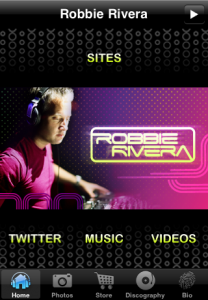
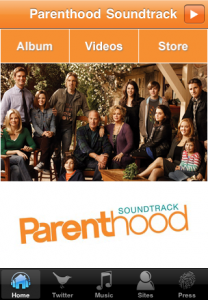
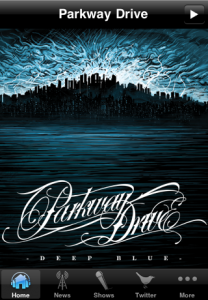
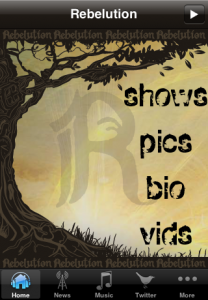
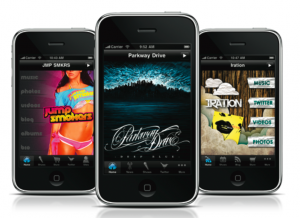
This batch of apps was made by musicians and music companies from around the world, and features a variety of eclectic content for you to enjoy. The apps turned out really well, and as you can see below, they aren’t cookie cutter at all — each MobBase app can have its own unique image, look and feel.  Check out all the new MobBase apps here.

Share and Enjoy:
  • Twitter
  • StumbleUpon
  • Digg
  • Facebook
  • del.icio.us
  • MySpace
  • Technorati
  • FriendFeed
  • LinkedIn

MobBase Doubles Number Of Apps In Just One Month With 100+ iPhone Apps Released


MobBase is again proving the market for iPhone applications that connect musicians with fans, more than doubling the number of apps released in just the past month. MobBase is the new service that makes it easy for musicians and music companies to create, launch and manage their own, custom iPhone applications.

“The MobBase adoption curve is getting steep, fast,” said Charles Feinn, CEO and co-founder of MixMatchMusic, MobBase’s developer. “It took about 90 days to launch the first 50 apps and just 30 days to get to 107. It’s more clear with every day that artists are adopting mobile apps to help build their careers, and that they choose MobBase as the fast, easy and inexpensive way to get their own app.”

MobBase is a low cost way for musicians to share music, photos, videos, tweets, news, information about shows, merchandise and other content with fans on their mobile devices. MobBase apps are priced for starving artists and also artists who remember what it is like to starve, with many artists paying as little as $0.50 a day for their own custom iPhone app.


Prominent artists including Pepper and Everclear are among the bands that have built and launched their own MobBase apps. Feinn said growth is also coming from long tail artists, such as Tribal Seeds, Cash Lewis, NatStar the King, Radagun, Supreme The Eloheem, and indie label, Let It Burn Records. The MobBase platform has also been used to create the official iPhone app for Showtime’s Nurse Jackie soundtrack.

MobBase is a great solution for established acts,” Feinn said. “It’s also a fantastic solution for artists with small but devoted followings who are making music for the love of music. The extremely low price, the super ease of use and the ability to customize it to reflect your own look and feel makes it perfect for artists in the long tail.”

Music distribution powerhouse, IODA, and indie labels including Silverback Music/Controlled Substance Sound Labs, SMC Recordings, Welk Music Group, Vanguard Records, Sugar Hill Records, Town Thizzness, Red Bull Records, Sargent House, and 429 Records are offering MobBase apps and promoting MobBase to their artists.

Feinn said there have been more than 60,000 installs of MobBase apps by fans.

Share and Enjoy:
  • Twitter
  • StumbleUpon
  • Digg
  • Facebook
  • del.icio.us
  • MySpace
  • Technorati
  • FriendFeed
  • LinkedIn

MobBase Gains Traction with 50+ iPhone Apps

Some great news straight from the MixMatchMusic garage (aka HQ)! MobBase is proving the market for iPhone applications that connect musicians with their fans, with more than 50 applications launched since the service debuted this past November.  MobBase is the new service that makes it easy for musicians and music companies to create, launch and manage their own, custom iPhone applications.

“The Pepper iPhone app is helping us stay to connected with our fans 24/7 and the connection has been amazing,” said Bret Bollinger, a founder of Hawaii’s premier rock band. “We’ve seen a huge influx of new fans and have been able to reconnect with long time fans through our app’s integration with Facebook, MySpace, Twitter and many other sites since its launch.”

Pepper fans have installed the band’s MobBase iPhone app more than 25,000 times since the start of 2010, and have streamed Pepper’s music more than 500,000 times through the app. The Pepper app was featured in iTunes’ “What’s Hot” section in mid-January.

“For Pepper it starts with great music.  They are also a great example of a band using all of the tools at their disposal to connect and engage with fans online and on their mobile devices,” said Charles Feinn, CEO and co-founder of MixMatchMusic, MobBase’s developer. “A custom iPhone app is an important part of that mix, and key to the equation that results in engaged fans buying more concert tickets, band merchandise and music.”

MobBase is a low cost way for musicians to share music, photos, videos, tweets, news, information about shows, merchandise and other content with fans on their mobile devices.

Bands like Everclear, RX Bandits, Rebelution, the Jacka, and Jump Smokers are finding it easy to create their own custom iPhone apps, and easy to add, manage and update content in real time through the MobBase dashboard.

IODA, one of the world’s leading digital distribution companies, is promoting MobBase as its premier solution for iPhone applications.

“We have had a great response thus far from our clients to MobBase’s iPhone apps,” said Adam Rabinovitz, vice president of marketing at IODA. “Mobbases’s web interface enables real time updating which is great for touring artists and busy, on-the-go label managers. We’ve also been testing the product ourselves with the IODA Promonet app and have been very pleased with the results.”

Additionally, indie labels Silverback Music/Controlled Substance Sound Labs, SMC Recordings, Welk Music Group, Vanguard Records, Sugar Hill Records, Town Thizzness, Red Bull Records, Sargent House, and 429 Records are also offering MobBase apps and are promoting it to their artists.

MobBase is priced for starving artists and also artists who remember what it was like to starve, with many artists paying as little as $0.50 a day for their own app.

Share and Enjoy:
  • Twitter
  • StumbleUpon
  • Digg
  • Facebook
  • del.icio.us
  • MySpace
  • Technorati
  • FriendFeed
  • LinkedIn

10 Things You May Not Know About Your MobBase iPhone App

Zion-I Jenny-Laws

Yesterday, MixMatchMusic launched MobBase, a new service that makes it easy and inexpensive for musicians to create, launch and manage their own, custom iPhone apps. While a lot of information about MobBase has already been revealed, and you can now visit MobBase to start creating your app, there are some things that we would like to point. Here are 10 things that you may not know about your MobBase iPhone app:

Create your app for free
You can register for a MobBase account and create an iPhone app for free. When you’re ready to launch, you pay a $20 activation fee to submit your app to Apple for approval. Before submission, a MobBase team member will walk you through your app to make sure everything looks good.

Your app is a blank canvas
It’s your app, and it can have your unique image, look, and feel. The MobBase dashboard gives you a blank canvas to project your artistic vision — select from seven different layouts, arrange the features however you like, upload a loading image, upload background and button images, choose your title bar color, and select color themes. Don’t worry, you can change the app’s layout and design as often as you like.

Lyrics, album artwork and credits
Too much of the album experience has been lost in the post CD/Vinyl world, until now. With a MobBase iPhone app, you can give your fans the full album experience by adding lyrics to your songs, additional artwork for your releases, and even credits.

Album-Page-Pepper

Fans can add videos too
In addition to featuring YouTube videos and piping in your entire YouTube channel, your fans can add video content to your app. Just pick a few tags for fans to use when uploading their videos to YouTube, and these videos will appear in your app. The tags can be as specific as you want, so if you want fan footage from a specific show or if you want fans to make their own music videos for your song, just hook them up with the tags!

There’s a whole lot of tweeting going on
Twitter is not something we take casually, and neither should you.  Add as many Twitter accounts as you want to your app, whether it be one official band account, or the Twitter accounts for all the members, even the drummer:) Then, track the buzz by piping in all the “@” mentions of your accounts. You can even have conversations with your fans about specific topics, by adding hashtags — add as many hashtags as you want, and we’ll create special sections for them.

Picture 2

All the music you want, from our servers or yours.
You can stream as much music as you want from your app, whether it be your full catalog or just your new single. And, you can mix up what music is playable by making songs inactive or adding new songs. To add music to your app, you can either upload the MP3s to MobBase, or you can paste in a link and stream the music from your own servers.

Update your app on the fly
After you launch your app, you can update it as often as you want, at no additional charge. And, only a few of the changes will require resubmission to Apple, which means most your changes will happen right away. Some of your updates will need to be made through the MobBase dashboard (adding new music, feeds, or featured videos; or changing the layout/customization), while others (all the feed-based content you provide, like the news, blog, shows, videos, photos, etc) will happen automatically.

Hands-on support, if you need it.
While we’ve built MobBase so that you can easily create your app through the MobBase dashboard without any programming or technical skills, we’re here to help. If you want our hands-on support while making your app, you can purchase 3 months of premium support for $200. Premium support includes unlimited phone and email support while building your app; exclusive features such as multiple news feeds, integration with your mailing list/street team, and extra content; a complete app audit that will identify ways to make your app more effective; and unlimited walk-throughs of your app before it is launched.

Photos Galore
You can add as many photos albums as you want to your MobBase app, each with an unlimited amount of photos.

To sell or not to sell?
It’s your app, and you can decide if you want to give it away for free in iTunes, or if you want to sell the app. If you sell the app, you can name the price and we’ll handle all the administrative logistics for a nominal monthly fee. After Apple takes its 30% cut, you keep the rest — we don’t rev share with you!

Share and Enjoy:
  • Twitter
  • StumbleUpon
  • Digg
  • Facebook
  • del.icio.us
  • MySpace
  • Technorati
  • FriendFeed
  • LinkedIn

iPhone Instrumentals

Thanks to the multitude of applications available from Apple’s App Store, creating music through your phone has come a long way since Towelie’s “Funky Town.”

In fact, some, like rising YouTube sensation The Mentalists, are taking these applications quite seriously. Check out this band’s covers of MGMT’s “Kids” or Estelle’s “American Boy”.

Stanford University even has its own iPhone ensemble, called the Mobile Phone Orchestra, or MoPhO. MoPhoO director, Ge Wang, developed his own application for the group, called Ocarina, which turns the iPhone into a woodwind-like instrument sensitive to touch, movement, or breath.

The App Store has music applications for everything from digital drum pads to mash-up machines to kazoos. Some of the most popular include Jumpei Wada’s Mini Piano, Curious Brain Inc.’s TouchCords, and Magnus Larsson’s DigiDrummer Lite, all free. These apps are very user friendly, allowing even the least music-tech savvy people try their hand at a little music production.

Just another way technology is allowing a more hands-on experience for enjoying music, much like MixMatchMusic’s Remix Wizard allows artists to bring fans into the mix through remix promotions. For an Evolving Music list of other cool music related apps check out this earlier post.

Share and Enjoy:
  • Twitter
  • StumbleUpon
  • Digg
  • Facebook
  • del.icio.us
  • MySpace
  • Technorati
  • FriendFeed
  • LinkedIn

MySpace Music

Social networking site MySpace jumped into the music industry recently, setting up deals with the major labels to stream free music to the users of the site. The news I read yesterday stated that in only the first week, over 1 billion songs were streamed. The commentators seem to view this as a monumental feat, despite the fact that a) they’re free, b) there’s millions and millions of users on MySpace and c) they’re instantly and readily available. In fact, the majority of the press I saw yesterday centered around the idea that this was a sort of challenge to Apple’s iTunes.

Let’s be clear. Streaming music that is paid for by advertising is not the same as music sales. The record labels may use the income from the deals to pad their sales/income numbers, but a streamed song does not a music purchase make. The purpose of the move from CD to mp3 rather than CD to stream is that people like owning their music, taking their music around with them and playing it for others. The stream is great as a form of promotion and introduction to the music, but you can’t take it with you.

This isn’t to say that I’m against streaming music in any way. Pandora is pretty genius, and I would never knock my old home, USC’s streaming radio station that can be found at KSCR. But for industry writers, who in some part can help influence the record execs that read their work, starting to compare a free streaming music service on a social networking site to the largest music retailer in Apple’s iTunes is like comparing tap water to wine. Just because it’s free and easily accessible doesn’t mean that it can trump the demand for quality and the ability to save something far into the future. Of course, if users find a way to “bottle” the stream to their music library, how interested in continued streaming would the labels be?

As for where this turns the music industry, I think the only answer everyone has for sure is that no one has any answers. The labels are still looking to make money off of solid media sales, as mentioned previously, data companies like SanDisk are looking for ways to make albums smaller and more accessible, and artists are still trying to figure out how the industry would work without them given that they only make 9.1 cents from a song royalty, but there’s no money for the labels if they don’t have the song to exploit in the first place.

So for now, we watch. I’m sure it won’t take long for MySpace to surpass 5 billion streams, but how the labels will react to that and attempt to use it to influence other sectors of the music industry will be interesting to see.

Share and Enjoy:
  • Twitter
  • StumbleUpon
  • Digg
  • Facebook
  • del.icio.us
  • MySpace
  • Technorati
  • FriendFeed
  • LinkedIn

iTunes, DRM and Artist Royalties

Earlier this week, alarm bells were ringing when a quote from Apple in 2007 found its way back to the top of the news heap. That quote? That if royalties were to change to a point of being unprofitable to Apple, it would shut its iTunes store down. Now even the thought of this, among Apple and its competitors, has been brewing frightening thoughts for the consumers for a while due to the fact that virtually all the music these stores sell is DRM protected. Of course, the DRM is built into the song, so what exactly happens if the company selling the songs ends their existence? Well, it looks like the DRM for the material would expire, leaving consumers with hundreds if not thousands of “purchased” songs that will no longer play anywhere. As a music lover (and legal buyer of mp3s), this kind of news, even if it is an undeveloped thought, causes a good deal of frustration. Here the studios want consumers to pay for music, foregoing the option of downloading all the music they want illegally for free, but the copyright protection within the music means that if the retailer goes down, the files go down with it? That’s like buying a CD at Tower which is then erased when Tower goes out of business (you all do still remember Tower, don’t you?)

So what can we do about it when the very mechanism that has allowed music labels to go digital, and therefore the infrastructure that controls all of our legal downloads, is compromised by companies willing to close their DRMs? Unfortunately, not much. Short of burning all of your DRM tracks to a CD and then re-ripping them to mp3s to strip of them of their DRM (and some sound quality in the process), if a store goes down and discontinues its DRM licensing, all the tracks you’ve bought could die on your iPod. This to me seems like the ultimate Trojan horse of the music industry…we don’t want you to have mp3s, but if you do, we’ll create a way so that once they’re in your music library, should the stores you bought them from close, we’ll demolish your entire music collection from the inside.

I understand the purpose of DRM, but unfortunately its just not a viable business model if there are ways to stop the music playback at any point after the purchase. The point of buying music is that you have it forever. All the CDs I bought are still mine and will be mine for as long as I manage not to lose or damage them. The idea that you could buy a song which at some point in the future becomes unusable is, to me at least, outrageous.

The reason that all of this has come about this week is because the Copyright Royalty Board (CRB) was weighing a decision to raise the artist royalties on digital downloads from 9.1 cents per song to 15 cents a song. From what I can ascertain from the article announcing the steady royalty fees, a .99 cent iTunes song is sold like this…

1) Apple sells the song for .99. 2) Apple keeps .29. 3) Apple gives .70 to the record label. 4) Record label gives the artist 9.1 cents, keeping 60.9 cents. I don’t know about you, but even at 9 cents a song, it seems like the labels and iTunes are getting over on the artist. Are we really supposed to believe that the iTunes store deserves to keep almost three times as much money for a song it sells than the artist receives?

What this scare does do is make it painfully obvious that the record labels and online music stores need to create a way and find a method to allow consumers to legally retain their music, no matter what happens to the store you buy it from. Should royalty rights eventually be raised in favor of the artist, it would be a travesty for Apple to claim it can no longer operate iTunes profitably (with the number of sales they have per year and the fact that they’re getting money just to be a middle man, it would be very hard for me to accept the idea that they aren’t profitable), disable the DRMs and leave music consumers with a bunch of dead and unusable files. Apple needs to show a little more foresight and decency when it comes to wolf cries of lost profits with a change from 9.1 to 15 cents of royalty. This could have been Apple simply playing politics in order to protect its profit margin, but even then the greed factor, given what the artists out there are making, comes into play.

For now (the CRB’s decision lasts 5 years), it appears we can rest easy. But it makes it clear that more thorough examinations of the digital music sales industry, DRM technology and what the rules and technology mean to consumers are necessary and should not be ignored.

Share and Enjoy:
  • Twitter
  • StumbleUpon
  • Digg
  • Facebook
  • del.icio.us
  • MySpace
  • Technorati
  • FriendFeed
  • LinkedIn

Kick Ass Music Apps for the iPhone

Ah, mobile music. How sad would our lives be without it?

First came the iPod that we all know and love, which made its predecessors (the Boombox, the Walkman, the MiniDisc, the MP3 player) look just…silly. Its many subsequent iterations became sleeker and cooler each time. Then the iPhone came along and more and more of us drank the Apple flavored Kool-Aid. With 3G and the rapidly expanding App Store, the iPhone has become a veritable phenomenon.

Despite ongoing issues with MobileMe, email, low battery life and more, the little phone machine is charging down its steep rocky path alone, leaving its competitors in the dust and getting better every day.

Random sidenote: Someone actually told me they were torn between the new iPhone and the new Blackberry. I told him that’s like saying you’re torn between Prime Rib and a Big Mac. (He bought the iPhone the next day.)

Combining your phone and your music player into one device was certainly a convenient first step. But now, with the App Store going nuts, more and more innovative music apps for the iPhone are popping up. Here are my favorites so far:

Pandora
Yes, I know. We rave about Pandora ad nauseum. But, quite frankly, they deserve it. What was already a killer service is now one of the leading iPhone apps. Sick of your own music? Hate the radio? Then open up Pandora at home, in your car, or in your earphones while you’re on the go and have your customized radio station at your finger tips. Remember, the more you use it the better it gets. In this case I say go ahead Captain Curious! Open up Pandora’s box and watch the magic unfold.

Shazam
How often do you find yourself saying “Wait, who sings this song?” You make a mental note to find out later and never actually do? Here is the answer to your dilemma. Open Shazam, let your iPhone “listen” to the song in question and it will tell you the artist and track name. Freaking great. I’ve also been using it as a way to effortlessly tag songs that I want to possibly download later, as I hear them.

SeeqPod
On the flip side of Shazam’s service, you have SeeqPod. You know the artist or track name but don’t have the song when you want it. Type it into SeeqPod and, boom, their crawler finds songs and videos for you. (We’ve mentioned them before too, as pioneers of a growing digital music trend – “playable search”.) So now, with SeeqPod on your iPhone, whenever a song pops into your head that you want to hear it’s there for you.

Midomi
Midomi is like Shazam, but with with more flavors to choose from. In addition to letting your phone “listen” to the song à la Shazam (Midomi calls it “grab” not “listen”), you can also sing/hum the tune, or say/type the song name. Very handy. Naturally, once you find the song you can buy it on iTunes, bookmark and share, watch YouTube videos etc. Watch the overview video here.

All of the above are easy to use, insanely practical, and really fun to have. But, for the more musically inclined among you, here are a few others worth checking out:

For musicians, there is Stay in Tune, TyroRuner (guitars only), and OmniTuner to tune your instrument on the go. If you want a mobile click track check out Orfeo or iMetronome. For DJ types, MixMeister scratch (cool concept, reviews not great though) and BeatMaker (see a review and video here).

And these are just the early apps. Imagine how prehistoric they will seem in a year or two…

Share and Enjoy:
  • Twitter
  • StumbleUpon
  • Digg
  • Facebook
  • del.icio.us
  • MySpace
  • Technorati
  • FriendFeed
  • LinkedIn

Lollapalooza Going MixMatch

In a press release today, I read a most interesting thing about the long-running mega music marathon known as Lollapalooza. Founded in 1997 by Perry Farrell to say good-bye to the legend of Jane’s Addiction, the tour stalled out on the national level to be revived in a format similar to Bonnaroo, Coachella and this year’s Outside Lands Festival in San Francisco. While not a multi-day festival like these, the Bridge School Benefit has been doing much the same at the Shoreline Amphitheater for more than 20 years now.

Of course, the most frustrating portion of these festivals is the opportunity to see a wide variety and assortment of acts, and then never hearing their music or their collaborations again. In recent years, Bridge School has started recording and releasing acts by the artists, but it seems to me that in this day of high quality live recording and digital distribution, it shouldn’t be that difficult to release an entire live set from one of these festivals a few days after it ends.

For the charitable festivals (Outside Lands/Bridge School), this can increase the revenue poured into the cause, and for artist-centered festivals, it can help increase their revenue from the show. But really, it’s the unique collaborations that happen on stage between dissimilar artists that are usually the highlights of these shows. Tom Waits performing with the Kronos Quartet at Bridge School, Tom Petty sharing the stage with Neil Young. These are musical moments that are incredibly memorable to the audience (“Man, you should have been there when X and Z performed together!”) but retaining the way it sounded in your mind is much more difficult over time.

Now, with the line-up at this year’s Lollapalooza, featuring distribution revolutionaries Nine Inch Nails and Radiohead, odd couple Gnarls Barkley, Bloc Party, Broken Social Scene, G. Love and Special Sauce and the rapidly diversifying Kanye West, the potential combinations are endless. How about Trent and Thom settling their digital download dispute through a mash-up of “Hurt” and “Idioteque?” Or Kanye and Barkley going “Crazy” over “Diamonds From Sierra Leone?”

Well, in an idea that sounds like it came straight from the MixMatchMusic garage, Farrell has announced that he will be attempting to collaborate with the Empire that is Apple and iTunes to release iTunes-only music from the festival in digital formats that could include on-stage collaborations followed up with studio releases of those collaborations for download. Whether Farrell is actually focusing on the release of the live performances isn’t too clear, but he talks openly about his idea of having bands who have performed on stage together at the concert working through the internet and various worldwide recording studios to put the songs together in a more polished format.

The talk of all of these artists coming together in music in some way gets my pulse racing. One can only hope now that Farrell doesn’t stop short. Sure, the idea of studio versions of these collaborations is very cool, but he should well know that with a festival like this, fans would love to get their hands on copies of the entire live set, and will certainly want to download the various combinations of these artists. All that’s left is to let Radiohead and Nine Inch Nails debate over which file format the songs should be available in to download.

Share and Enjoy:
  • Twitter
  • StumbleUpon
  • Digg
  • Facebook
  • del.icio.us
  • MySpace
  • Technorati
  • FriendFeed
  • LinkedIn

Super Bowl Music Ads?

We all know how much Super Bowl advertising costs. It’s annually the highest priced commercial time, commanding millions of dollars for 30 second spots. Not only do large audiences watch the Super Bowl, but companies know that they’re not just getting the standard football viewers they would normally get for ad time during a football game, they’re getting everyone at a Super Bowl party. Usually the airtime is filled with humorous beer commercials and commercials for websites.

In the changing music industry we so often like to talk about, the methods of promotion and sales have grown wildly beyond what we ever might have expected. Long relegated to the internet and radio, I was very surprised to see numerous music related ads during the game, and in multiple cases from a completely unexpected company. In Super Bowls past, it wouldn’t be uncommon to see a chip commercial. But what about a chip commercial that is actually trying to sell music? Doritos, apparently making a run at getting into the music industry and entertainment industry by “taking snacking to a whole new level (anyone else find this slightly ridiculous?) had two ads that I saw, sneakily co-funded I’m sure by Apple. I have to comment on this one more time because of just how funny it sounds to me…Doritos wants to “Take snacking to a higher level with entertainment, gadgets, and promotions designed to enhance your DORITOS(R)-eating experience.” I wasn’t aware that my snacking needed any higher level other than snacking. Of course, Doritos is entitled to whatever kind of mix and match they want.

When the first one came on, I was a bit confused. It was a bio of a young female singer followed by almost a full minute of her singing one of her songs. Literally, it was a truncated music video. At the end, expecting to see a blurb about a sponsored music store where you can buy it (i.e. Sam Goody or one of those other record stores that usually has hokey TV ads that you ignore, although those commercials have been dwindling in recent years), instead the Apple logo comes on at the top of the screen and there’s a small blurb about finding the song on iTunes. Then there’s a Dorito logo and a Dorito based website about music. I sat there stunned for about 5 minutes trying to put together what I had just seen…a mini music video for a relatively unknown artist sponsored by a chip company turned record label and oozing Apple’s iTunes message. In the middle of the Super Bowl.

Another interesting teaming of companies came from Pepsi and Amazon.com’s Justin Timberlake commercial. The soda and the store are coming together to give you free MP3 downloads if you drink more of the kool-aid. Interesting to see a soda company looking to entice drinkers with free music. Especially ironic when you look at consider that an iTunes song is .99 and a plastic bottle of Pepsi definitely tops a dollar and change. It’d make more sense if they gave you free Pepsi coupons for large song purchases!

When a chip/snack company and a computer company are combining to sell a fan-voted-on artist by buying what had to be around 4 million dollars in Super Bowl Ad time in order to push song sales, and soda companies are giving away music, you know the musical landscape is changing.

Share and Enjoy:
  • Twitter
  • StumbleUpon
  • Digg
  • Facebook
  • del.icio.us
  • MySpace
  • Technorati
  • FriendFeed
  • LinkedIn